
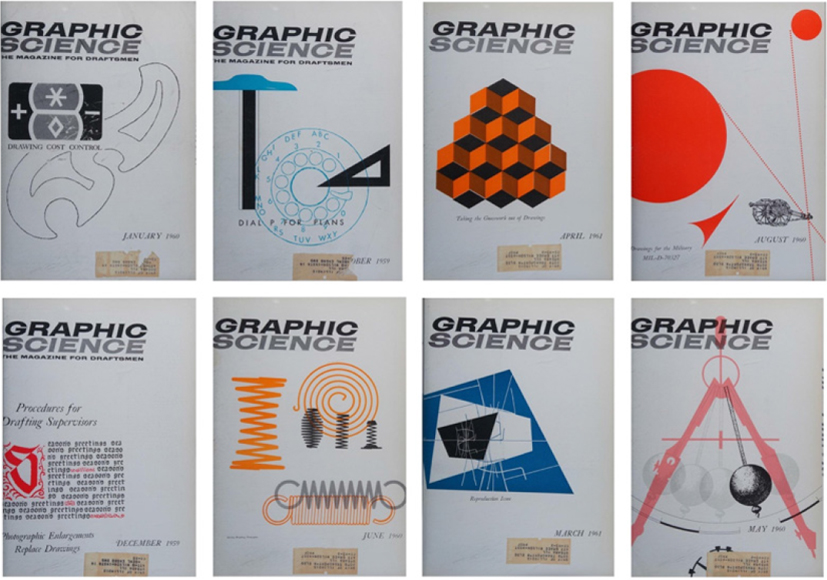
The word is the thing. Disciplinary perspectives on drawing as graphic science
Abstract
Graphic representations today encompass an extremely wide variety of products created using both analogue tools and advanced digital technologies. These outputs can be physical or virtual, static or dynamic and animated, and are designed to fulfil a vast range of functions across countless traditions and geographical contexts. This diversity calls into question the conventional categories and definitions which, until now, have delineated the scope of knowledge relating to graphic production.
While the core subject of other sciences is clear to experts and non-experts alike—with consistent terminology across international literature— the situation is quite different for Drawing as a scientific discipline. Although generally associated with traditional modes of representation, it actually ranges from freehand drawing to advanced 3D modelling, from digital surveying to visual communication, and from graphic design to the use of AI for generating images and visualisations. This article proposes restoring the resemblance between language and the objects it names. In this sense, graphic sciences can be conceived as an overarching term capable of encompassing the entire field of scientific research and teaching related to image production. Rather than a monolithic discipline, this expression identifies a multifaceted, dynamic, and plural disciplinary landscape with which to address the future challenges of research.
DOI: https://doi.org/10.20365/disegnarecon.36.2026.3
Keywords
Full Text:
PDFRefbacks
- There are currently no refbacks.
Copyright (c) 2026 Enrico Cicalò
DISEGNARECON
ISSN 1828 5961
Registration at L'Aquila Law Court no 3/15 on 29th June, 2015.
Indexed in SCOPUS. Diamond Open Access. All papers are subjected to double blind peer review process by qualified reviewers.
Journal founded by Roberto Mingucci