
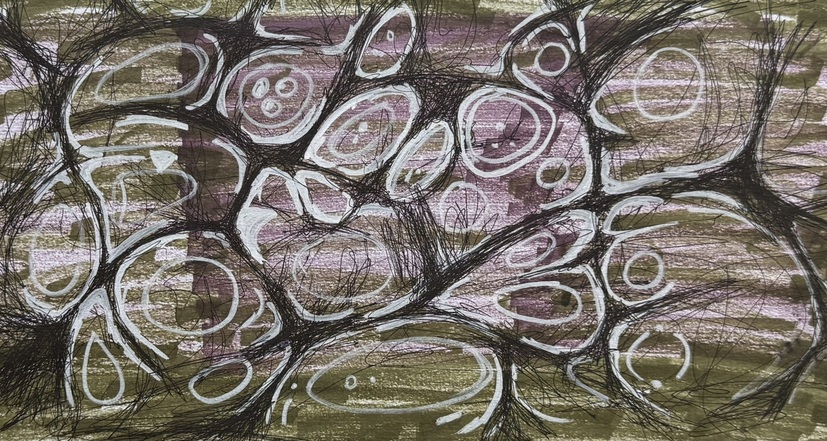
Teaching Environmental Representation through Cognitive and Restorative Perspectives: Integrating Attention Restoration and Graphical Thinking
Abstract
Today’s architectural schools operate in an accelerating world of visual stimuli that has placed drawing within the realm of performance and created cognitive overload and diminished depth of attention. The intention of this study is to determine how we might be able to teach representation of the environment as cognitive and restorative practice by incorporating graphical thinking with Attention Restoration Theory (ART). One of the key components of ART is its identification of four contributing components for restoring attention; however, little has been understood regarding how these components are relevant to representational pedagogy. Using a qualitative, theory informed pedagogical approach, this study uses drawing-based learning activities in an architectural studio to operationalize these four components through two sequential tasks. Through analyses of student work, short reflections, and studio observations, this study concludes that drawing based upon restorative principles supports students in exhibiting sustained attention and an increase in perceptual awareness and reflective engagement. Finally, the study suggests that these findings provide a human-centric basis for reviewing the graphical sciences and environmental representations within visually stimulating educational environments.
DOI: https://doi.org/10.20365/disegnarecon.36.2026.16
Keywords
Full Text:
PDFRefbacks
- There are currently no refbacks.
Copyright (c) 2026 Nacherree Kanthong, Sukhum Sankaewthong, Nam Nguyen-Dinh
DISEGNARECON
ISSN 1828 5961
Registration at L'Aquila Law Court no 3/15 on 29th June, 2015.
Indexed in SCOPUS. Diamond Open Access. All papers are subjected to double blind peer review process by qualified reviewers.
Journal founded by Roberto Mingucci