
Swedish harmony in the built landscape: integrating natural environment and architecture
Abstract
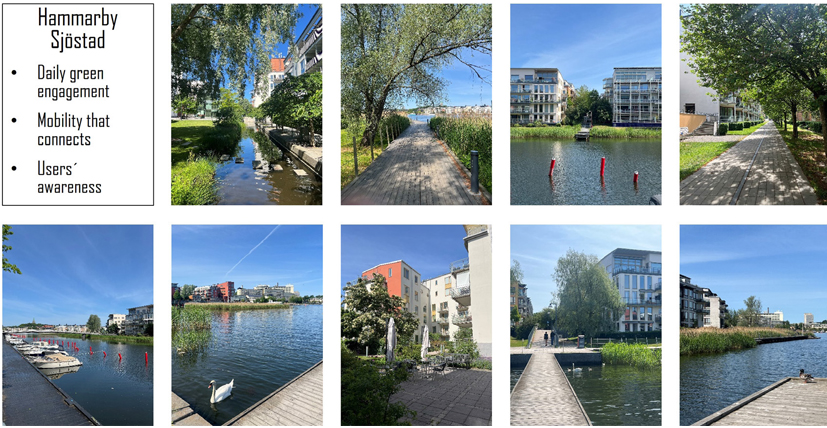
Swedish architecture has undergone a significant transformation from its functionalist origins towards a more holistic integration of high-performance technologies and natural elements, heavily influenced by the cultural philosophy of friluftsliv—a lifestyle encouraging regular contact with nature for mental well-being. This paper examines how friluftsliv aligns with the principles of biophilic design, a concept increasingly recognised for its benefits to human health and environmental performance. By analysing three projects in the Stockholm area—Hammarby Sjöstad, Stockholm Wood City, and Artipelag—this study highlights how contemporary Stockholm architecture incorporates biophilic strategies at both the building and urban levels. These cases reveal a synergy between sustainable engineering, timber construction, and design that fosters a connection between humans and the natural world. While projects demonstrate measurable outcomes in terms of livability and sustainability, challenges remain in balancing ecological ambitions with social equity. The findings highlight the originality of linking biophilic design with friluftsliv, providing a culturally grounded framework for future research. Ultimately, Sweden’s model presents a holistic vision that supports both environmental health and human well-being through architecture.
DOI: https://doi.org/10.20365/disegnarecon.35.2025.24
Keywords
Full Text:
PDFRefbacks
- There are currently no refbacks.
Copyright (c) 2025 Arianna Fonsati
DISEGNARECON
ISSN 1828 5961
Registration at L'Aquila Law Court no 3/15 on 29th June, 2015.
Indexed in SCOPUS. Diamond Open Access. All papers are subjected to double blind peer review process by qualified reviewers.
Journal founded by Roberto Mingucci